Event:
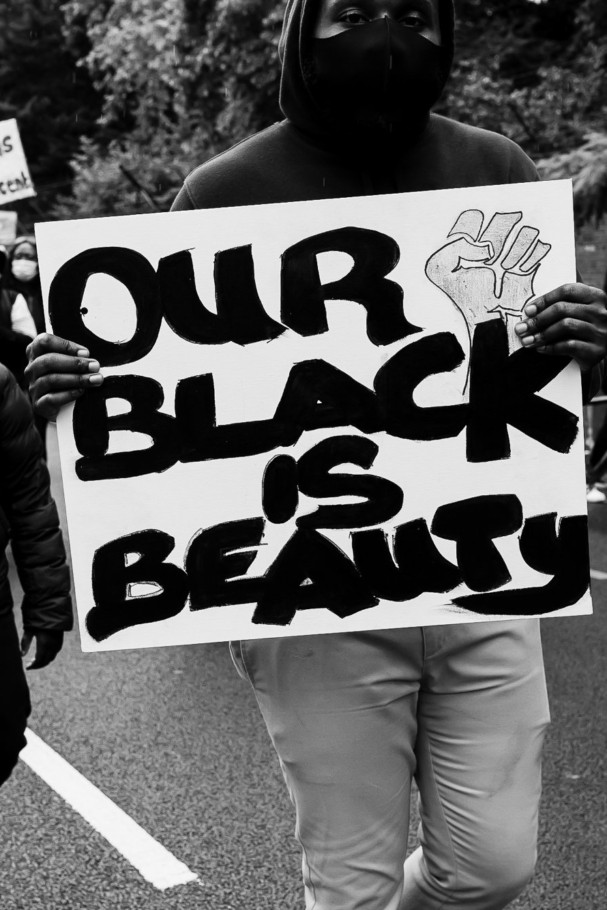
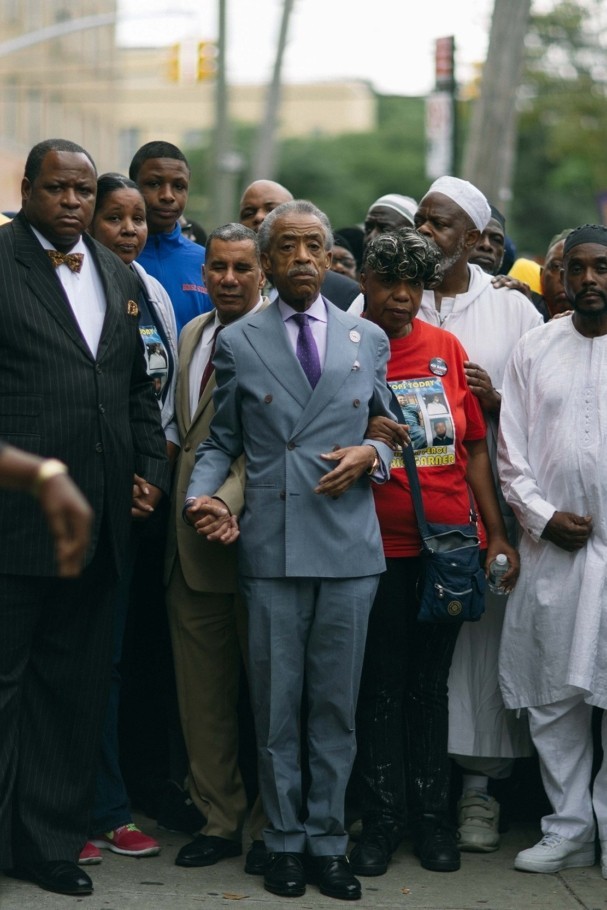
100 Years of Protest.
But one hundred years later, man is still not free. One hundred years later, the life of man is still sadly crippled by the manacles of segregation an... Read more
Words: Mustafa Ali-Smith
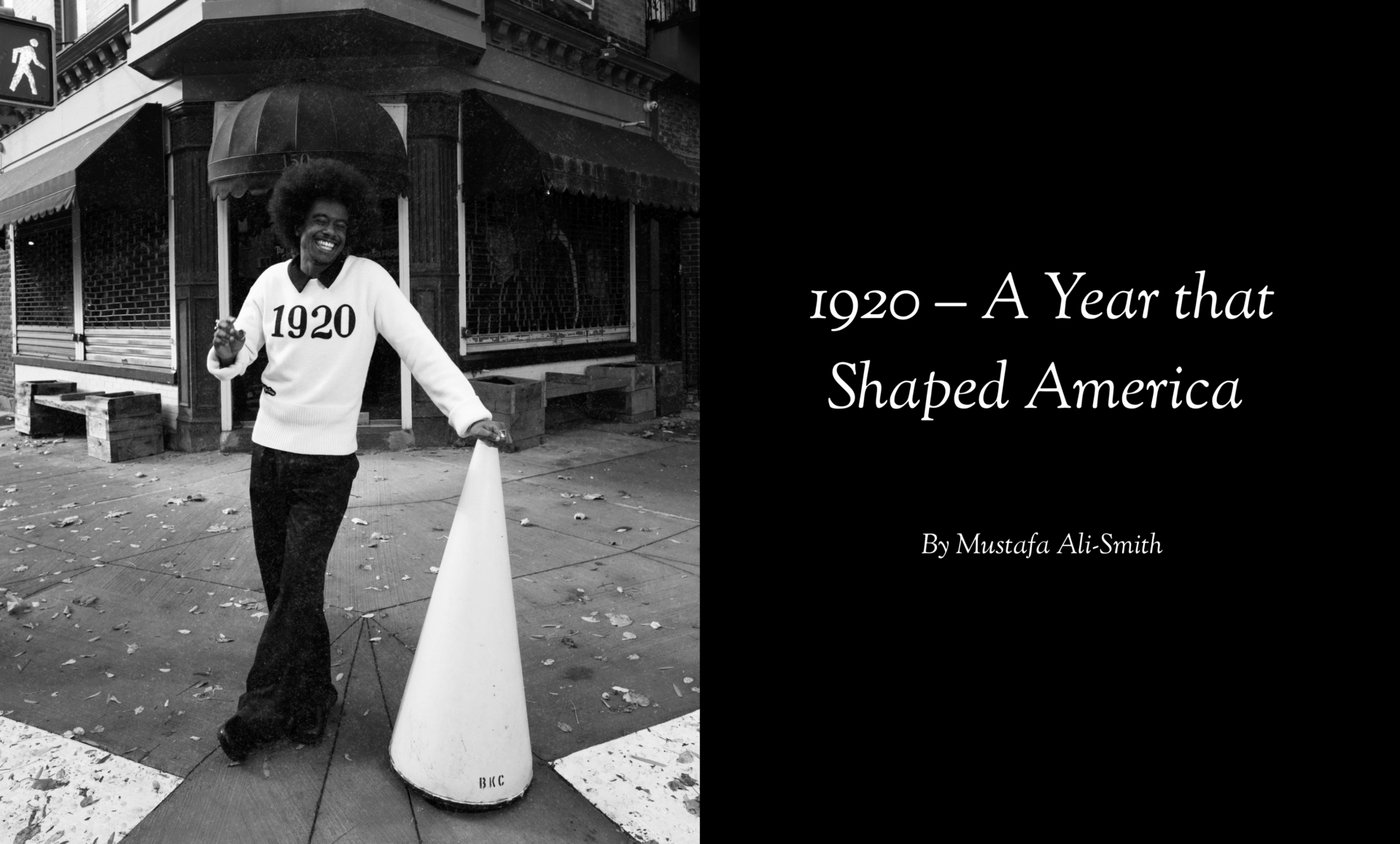
Whether you’ve visited The Brooklyn Circus store, our website, or have caught us online, you may have noticed the 1920 and wondered what its significance was. It’s not just a number, but a moment in history that has shaped our present.
Here’s why 1920 still matters.
MOVEMENT: The Great Migration
By 1920, the Great Migration was reshaping America as African Americans fled Jim Crow segregation and racial violence in the South for opportunities in Northern and Western cities. More than 750,000 African Americans left the South and established culturally influential communities of their own, transforming the demographics of American cities and creating new urban Black cultures that would change the nation forever. And this mass movement of people didn’t just change where Black Americans lived—it changed what Black Americans could create, too.
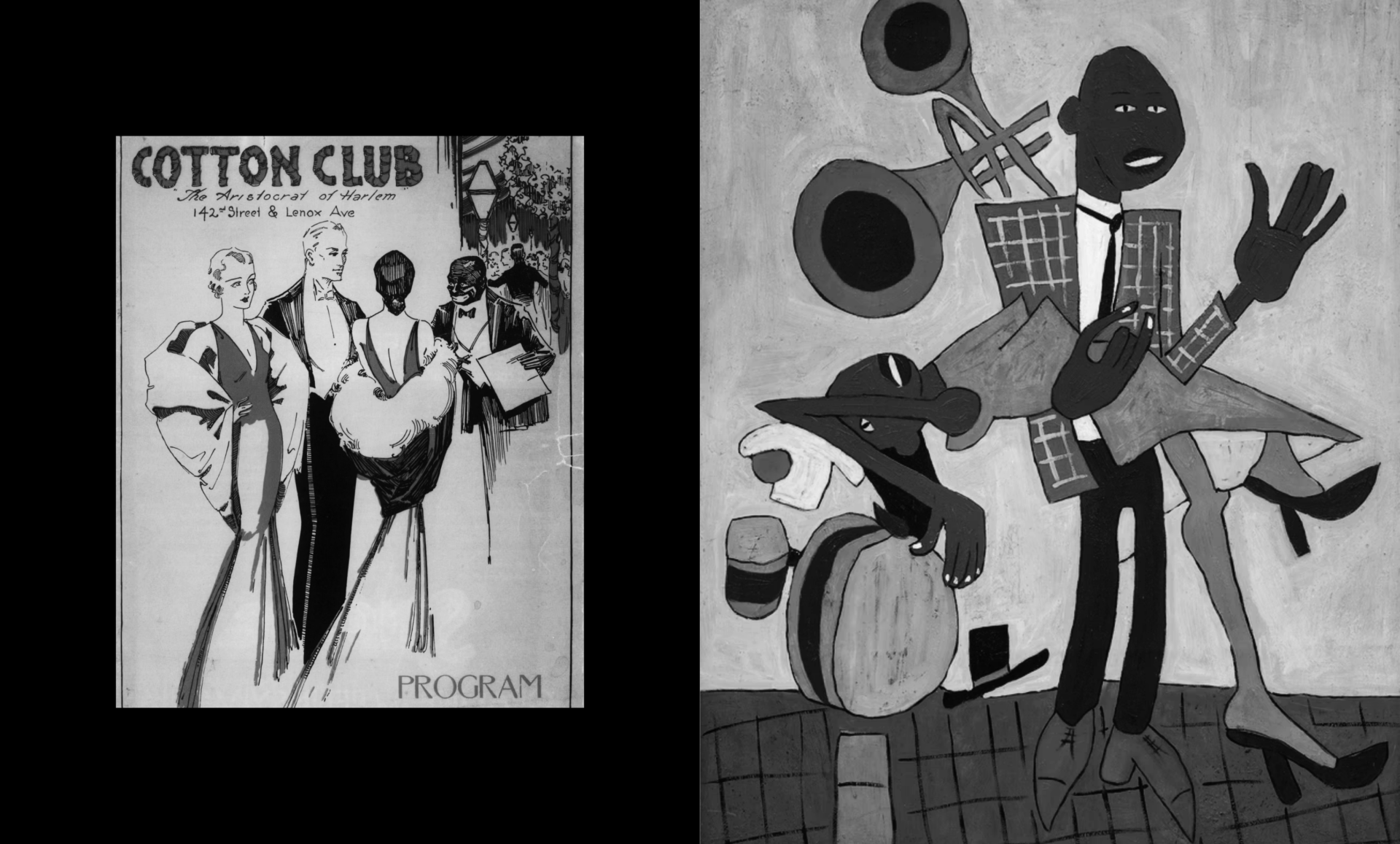
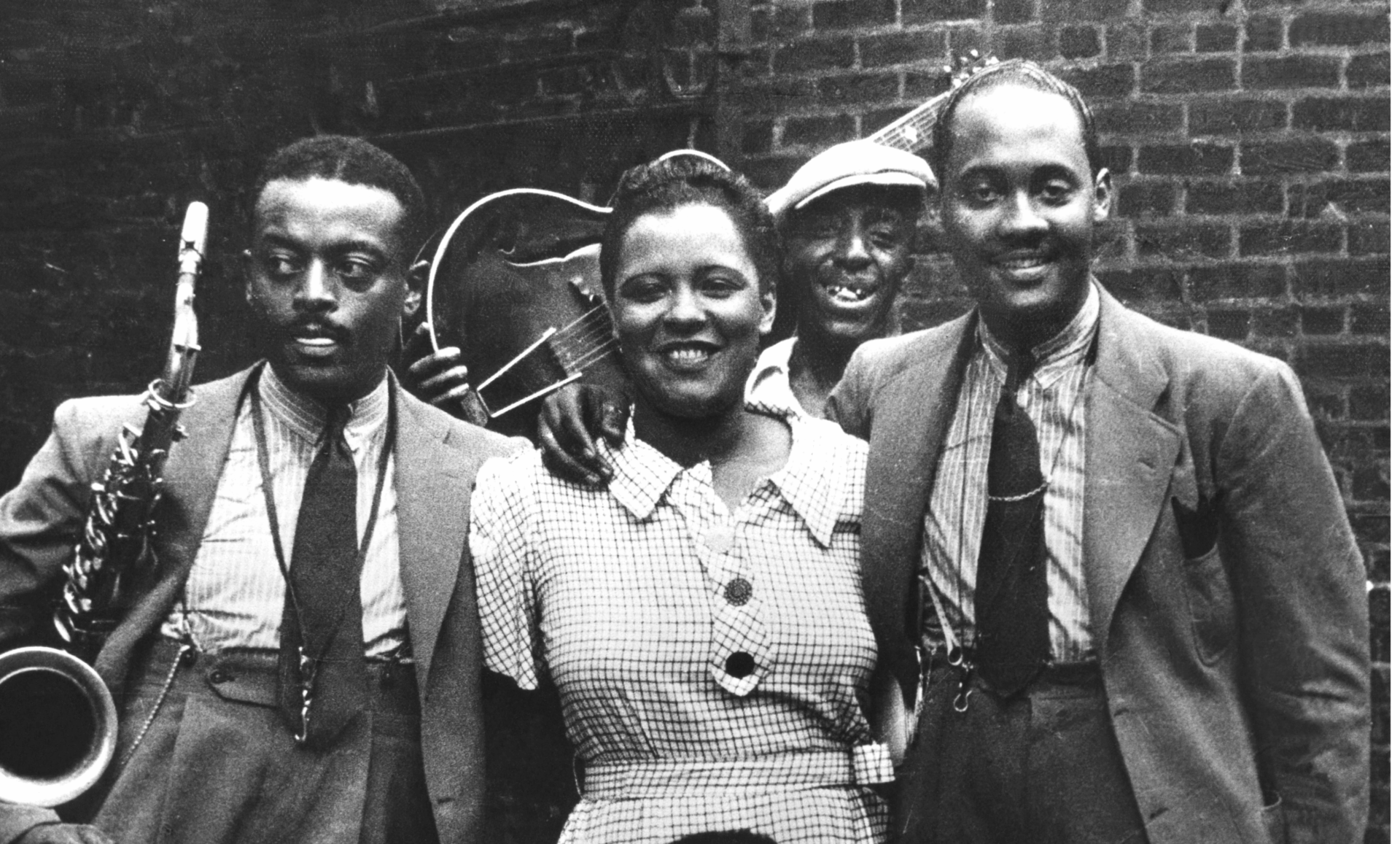
ARTS & EXPRESSION: The Harlem Renaissance & the Jazz Age
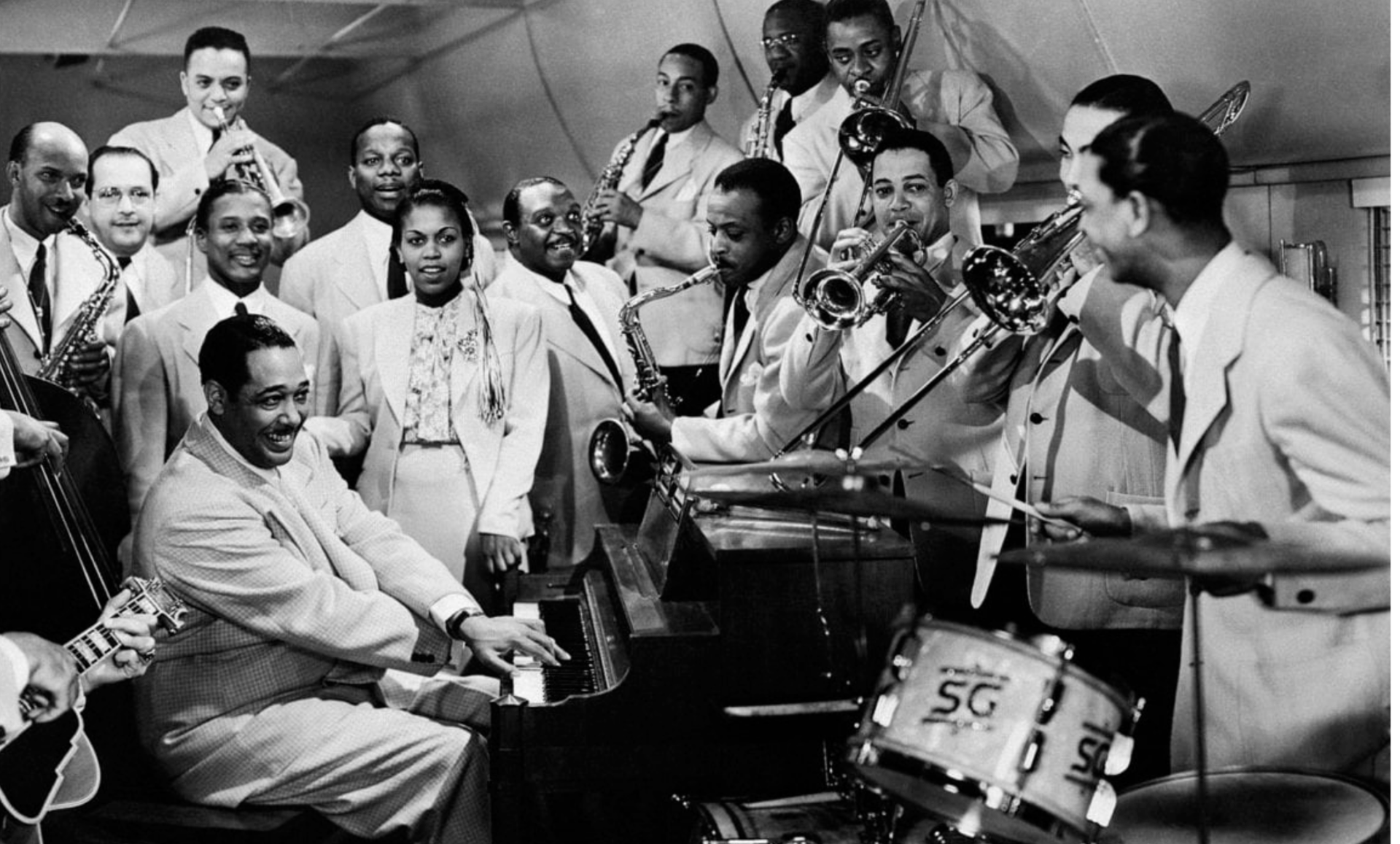
All those people moving to Harlem turned it into the epicenter of Black culture. By the 1920s, Harlem housed 200,000 Black people—writers, artists, musicians, and thinkers all creating something the world had never seen. Langston Hughes wrote poetry that spoke truth. Zora Neale Hurston captured Black life in its fullness. And the music? Jazz exploded with names like Louis Armstrong, Bessie Smith, and Duke Ellington. They became cultural institutions where Black musicians invented a whole new sound—It was improvisation, freedom, refusing to follow anyone’s rules. It was the soundtrack to everything happening in America.
PROTEST: Women’s Suffrage & the 19th Amendment
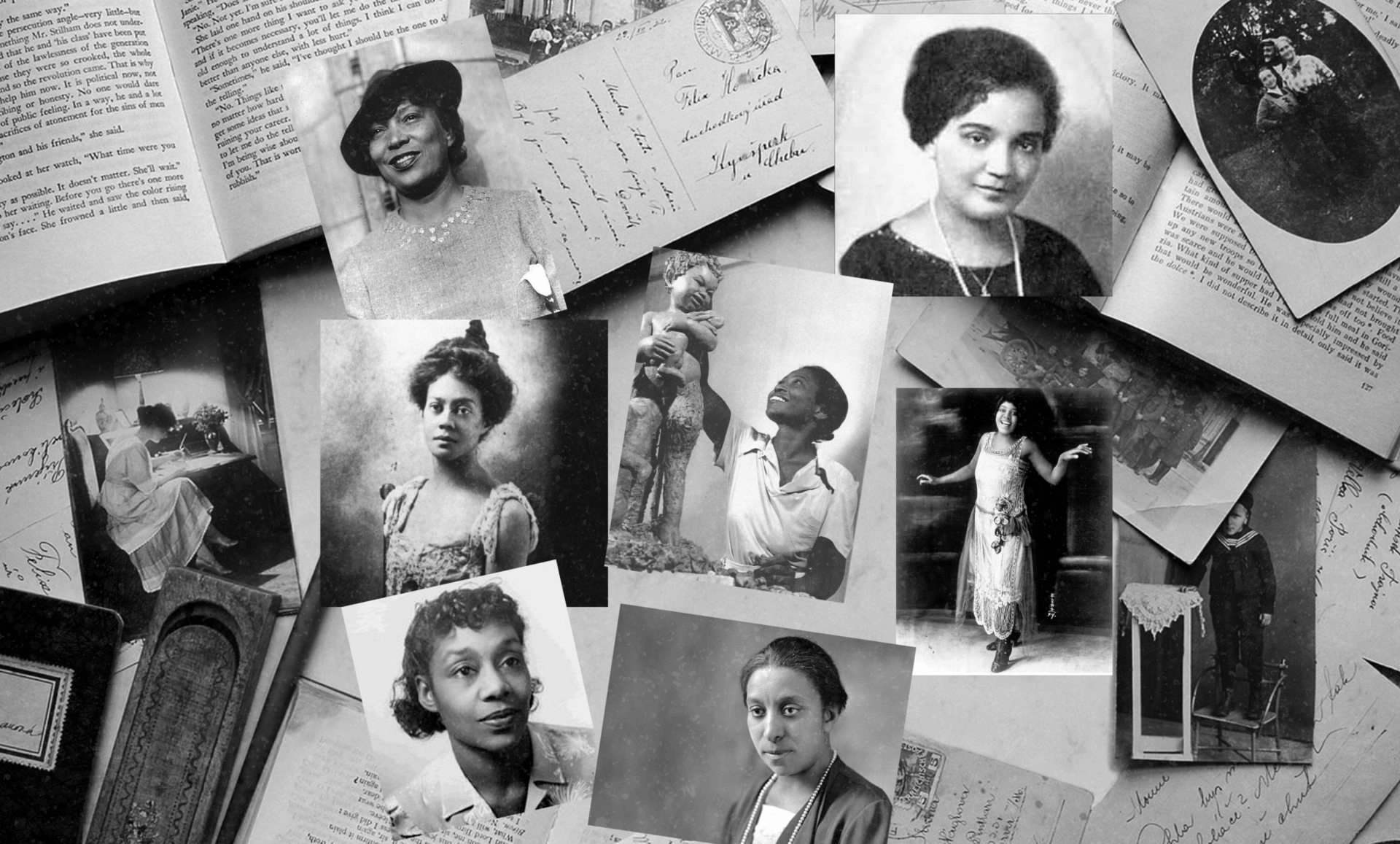
On August 18, 1920, the 19th Amendment gave women the right to vote after decades of protest. But here’s what they don’t always teach: Black women in the South were still blocked from voting through Jim Crow laws. Millions of Black women in the North and South would had to keep fighting—protesting— for years before the right fully materialized. And while Black women fought for the ballot, another movement for Black self-determination was reaching its peak.
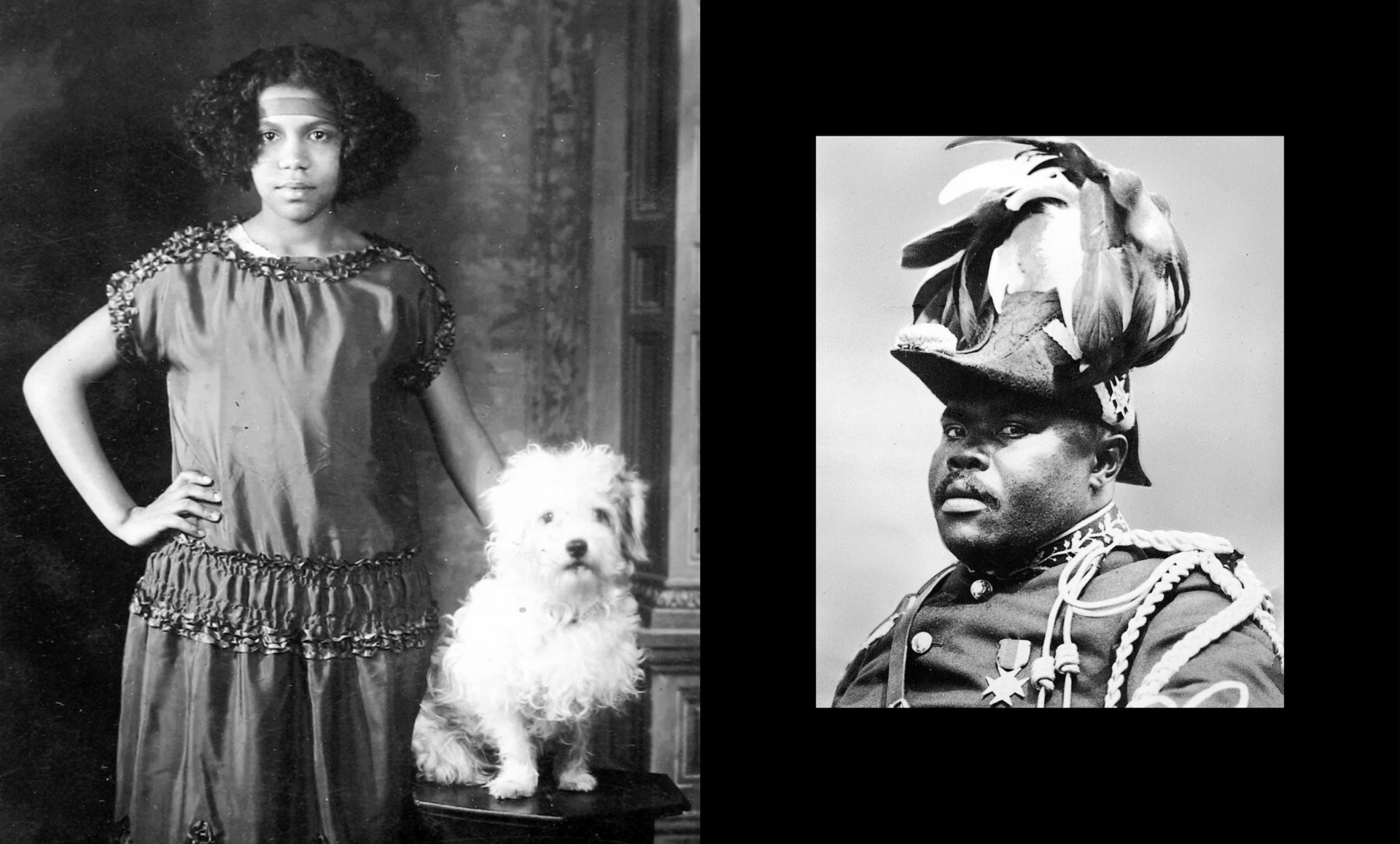
EMPOWERMENT: The 1920 Convention of the Universal Negro Improvement Association
On August 1, 1920, Marcus Garvey held the First International Convention of the Negro Peoples of the World in New York—the largest Black protest movement ever seen. Two thousand delegates from 22 countries created the Declaration of Rights of the Negro People of the World. Garvey’s message was clear: racial pride, economic independence, and self-determination. His words in 1920 still echo in every Black empowerment movement today.
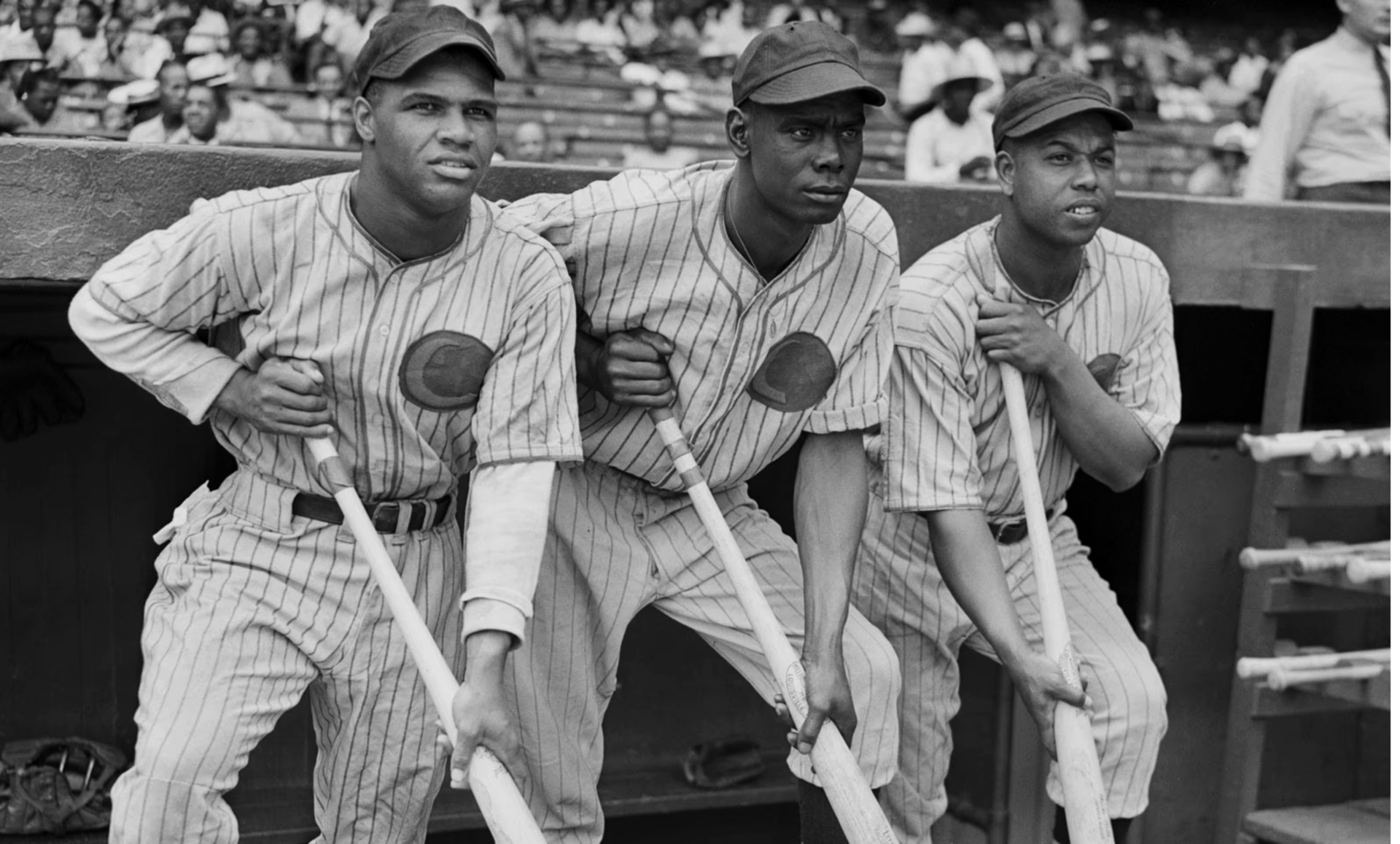
COMMUNITY: Negro National League
In 1920, Rube Foster founded the Negro National League. Major League Baseball shut Black players out, so we built our own. Satchel Paige, Josh Gibson, Cool Papa Bell—these players proved Black excellence every time they stepped on the field. The Negro Leagues created jobs, built wealth, and gave communities something to rally around during the hardest times.
LEGACY: Rose Nicolas
Rose Nicolas was born on March 5, 1920 in Les Cayes, Haiti, a small southern district in the south of the country. In her twenties, she moved to the capital Port-au-Prince where she worked as a sales lead at a popular fabric store. In the late seventies, she made her own migration—leaving Haiti for New York City, with her daughters Marie Solange and Maude joining her shortly after.
Rose was a calm, calculated, community visionary. Her home became a landing pad for many who followed her on the journey toward a different life in the U.S. She was classy and generous, carrying herself with a timeless elegance that would leave a lasting impression on her grandson, Ouigi Theodore, Creative Director of The Brooklyn Circus.
Years later, Ouigi would see her wearing clothing or jewelry that looked pristine and ask if she’d just gone shopping. She would casually respond that she’d purchased the pieces over 40 years ago. That revelation shaped his entire philosophy: how could something that old look so relevant? It sparked what would become The Brooklyn Circus’s 100-year Plan—creating pieces built to last, to be preserved, to transcend trends.
Rose lived well into her mid-90s, raising a generation of doctors, nurses, lawyers, accountants, and the creative mind behind a brand built on her principles of quality, preservation, and timeless style.
. . .
Designing the 1920 sweater felt like our personal responsibility to bring this history forward. It was a year when Black Americans were building institutions, creating culture, migrating toward freedom, and demanding their rightful place in American society. Every detail of the sweater honors that moment—the ribbing echoes the classic silhouette of the era, the wool speaks to the craftsmanship and quality our ancestors demanded, the colors reflect a time when Black folks dressed with intention and excellence.
But this sweater is more than a nod to the past. It’s woven with the same spirit that shaped America—the courage of migrants who transformed cities, the genius of artists who redefined culture, the defiance of women who fought for the vote, the vision of Garvey who united a diaspora, and the excellence of athletes who built their own leagues when doors were shut.
1920 — a year that shaped America. And now we carry that history forward.
Got a story to share? We’re always looking for fresh perspectives and voices. If you have an idea for The Brooklyn Circus Culture Section, send your pitch or full draft to mustafa@thebkcircus.com.