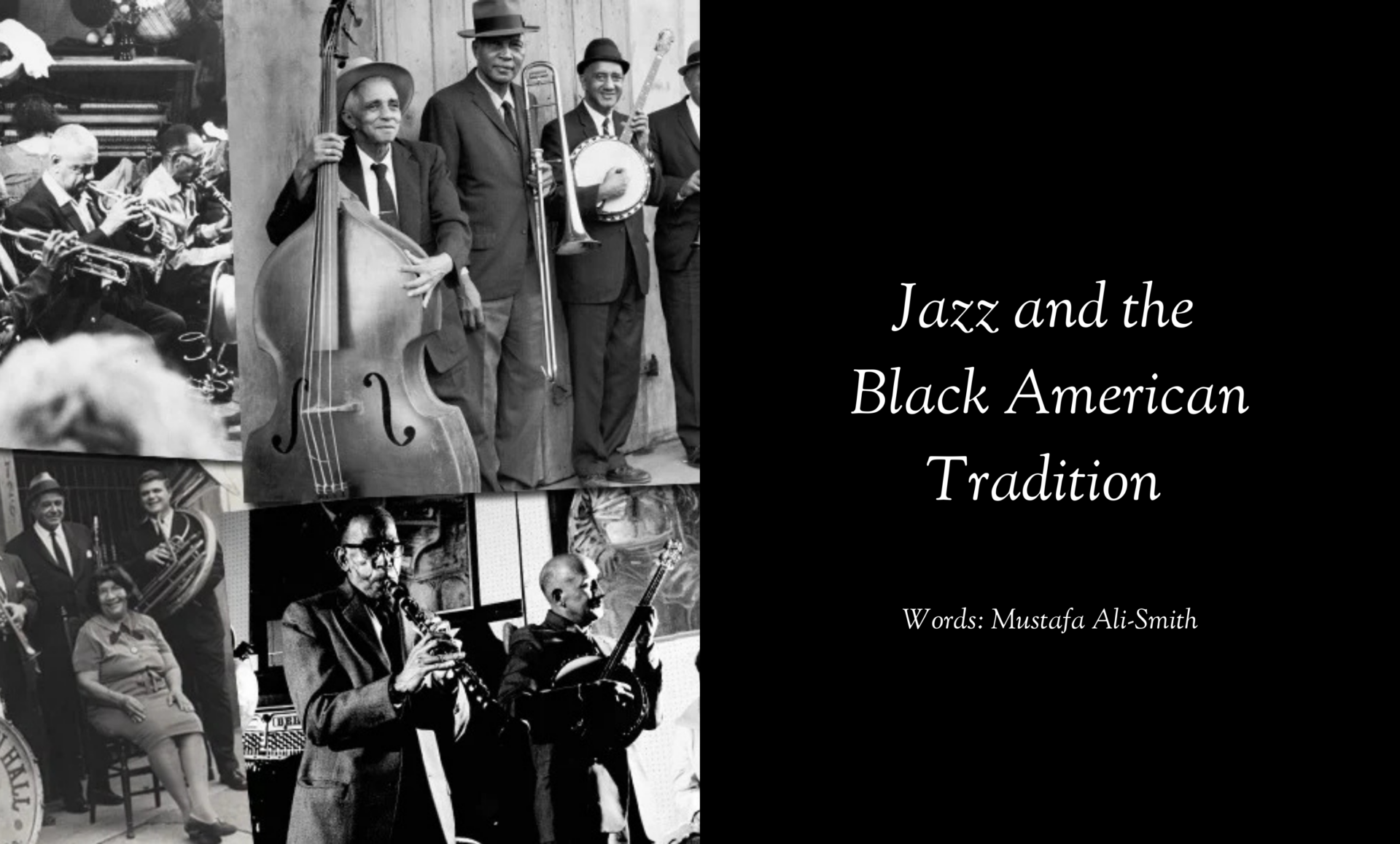
To tell the history of jazz is to tell a history of survival, creativity, and an unbreakable will to express. It begins in West Africa, passes through the trauma of the Middle Passage, and flowers in the streets of New Orleans into something the world had never heard before. Jazz didn’t arrive fully formed. It was built generation by generation, by Black Americans who refused to let the worst circumstances define the limits of their imagination.
West African musical traditions carried an understanding of polyrhythm — multiple rhythmic patterns layered and breathing together — that was unlike anything in the European tradition. Music became a channel in which a community prayed, grieved, celebrated, and spoke to itself across generations. When enslaved Africans were brought to the Americas, everything could be taken from them, and nearly everything was. But the memory of rhythm lived in the body.
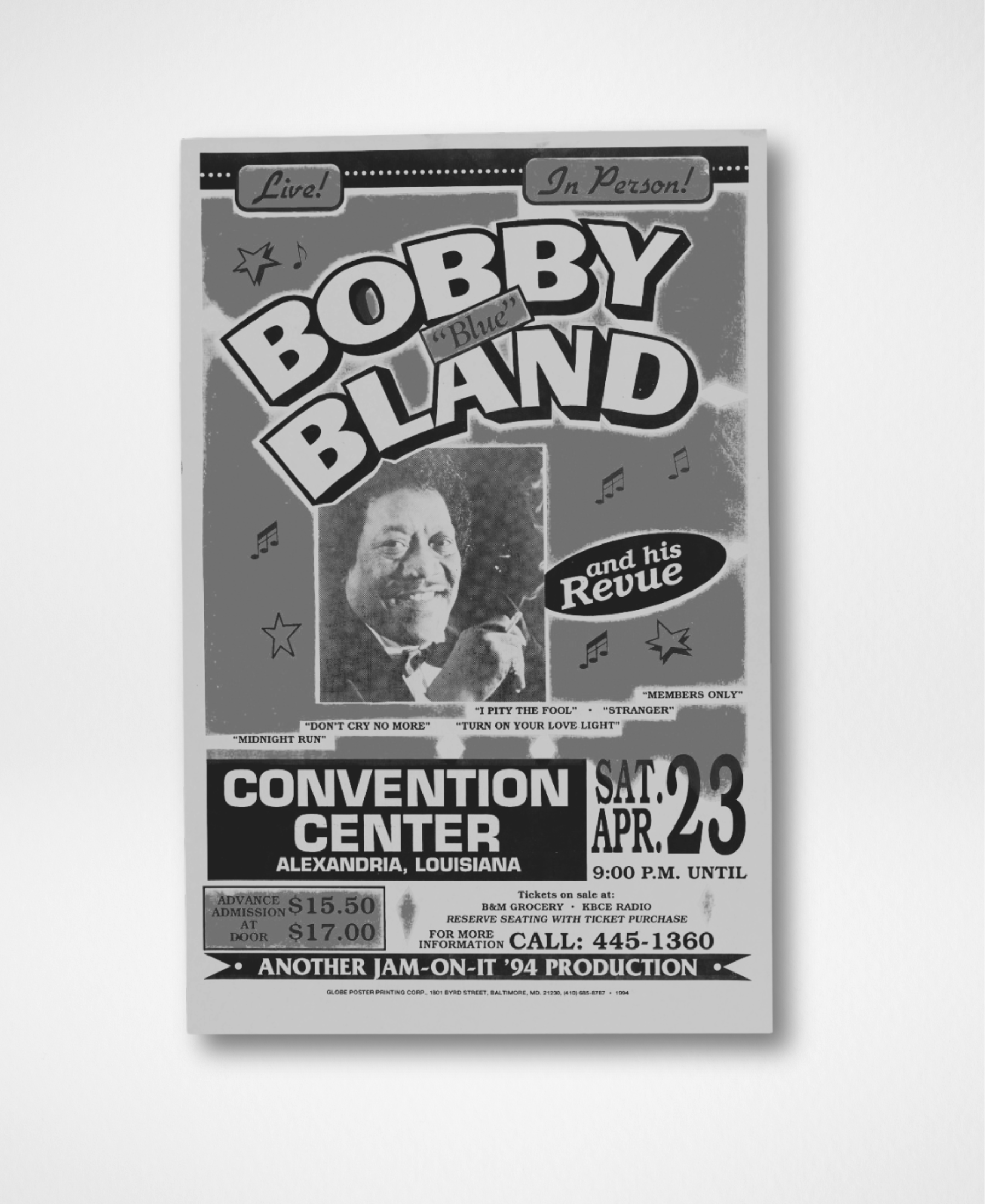
In New Orleans’ Congo Square, one of the only places in antebellum America where Black people were permitted to gather and play music openly, those traditions stayed alive. African rhythm met European melodies and Caribbean syncopation, and something new began to stir. Before jazz had a name, there was the blues, born from the field hollers, work songs, and spirituals of Black Americans in the Deep South. The blues note, that bent and aching pitch that doesn’t sit cleanly on a Western scale, captured something that formal music had never quite reached: the full weight of being alive inside a hard life. It was sorrow, but it was also irony. Dark humor. A stubborn, almost defiant joy. Jazz inherited all of it — the bent notes, the call and response, the sense that a musician isn’t performing so much as confessing.
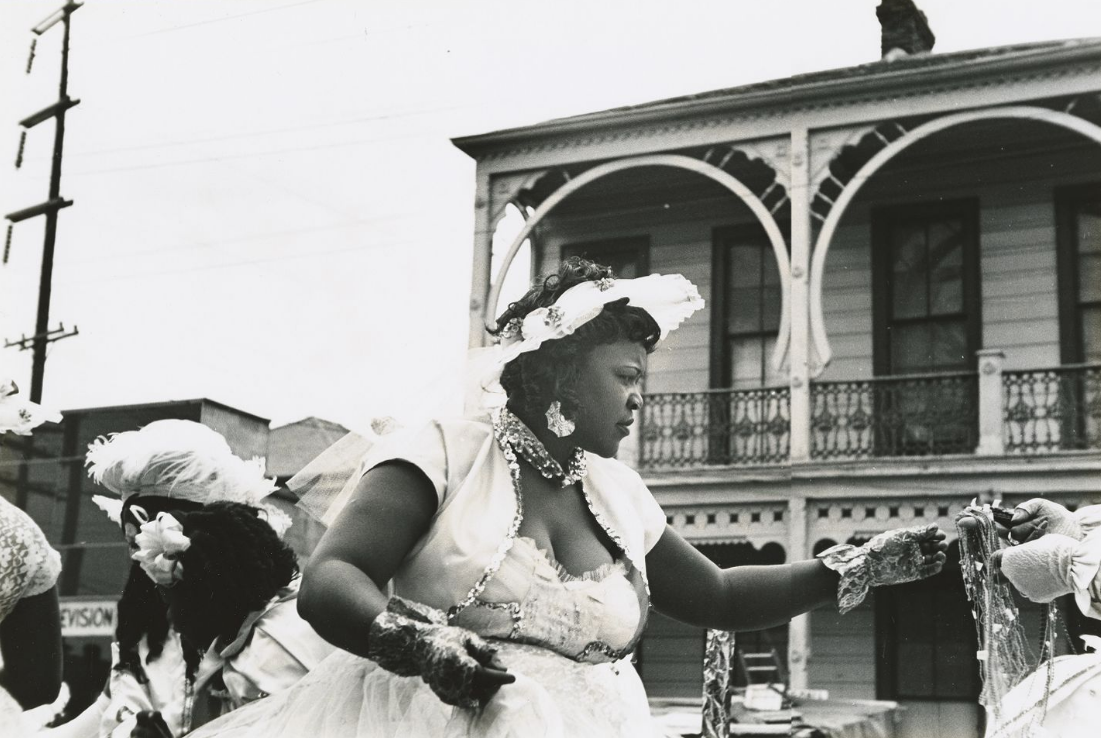
New Orleans at the turn of the 20th century was the only place on earth where jazz could have been born. It had Congo Square’s legacy. It had a Creole community with roots deep in African and French Caribbean culture. It had the second line — that extraordinary tradition where mourners followed a coffin to the cemetery and then marched back through the streets dancing, because Black New Orleans understood that grief and celebration were never far apart. It had the church, whose influence poured into every note played on every corner. Out of this convergence came a music that was polyrhythmic and improvisational, rooted in feeling over formality, built on the radical idea that every musician in the room had something worth saying, and that the truest music happened when they said it together.
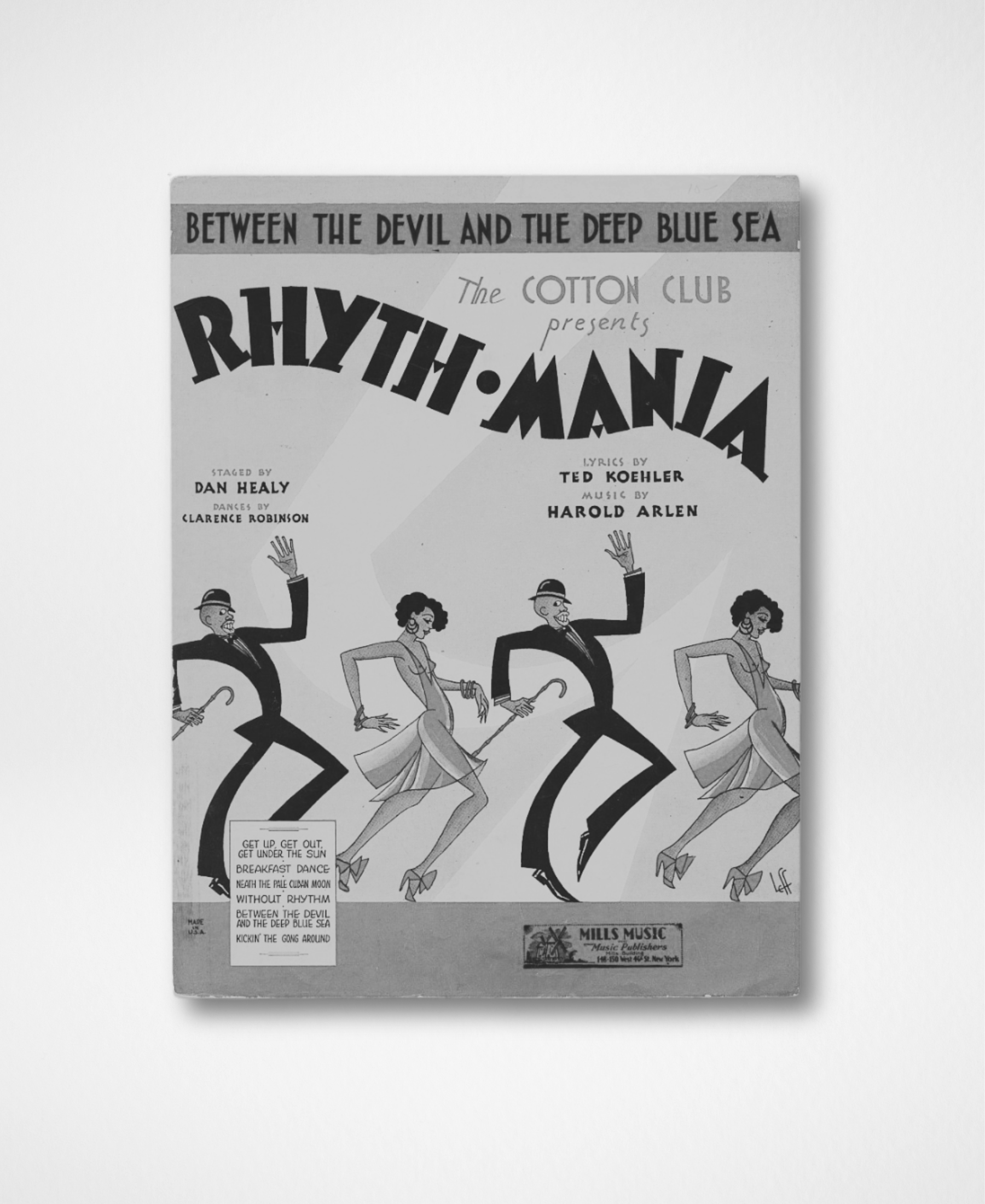
When the Great Migration carried millions of Black Americans north beginning around 1910 — away from Jim Crow’s violence and toward the cities of Chicago, Harlem, and Detroit — jazz moved with them and kept growing. Harlem in the 1920s became the center of something extraordinary—The Harlem Renaissance— where Black artists, writers, musicians, and intellectuals were collectively insisting that Black life was rich enough, complex enough, and beautiful enough to be the subject of serious art.