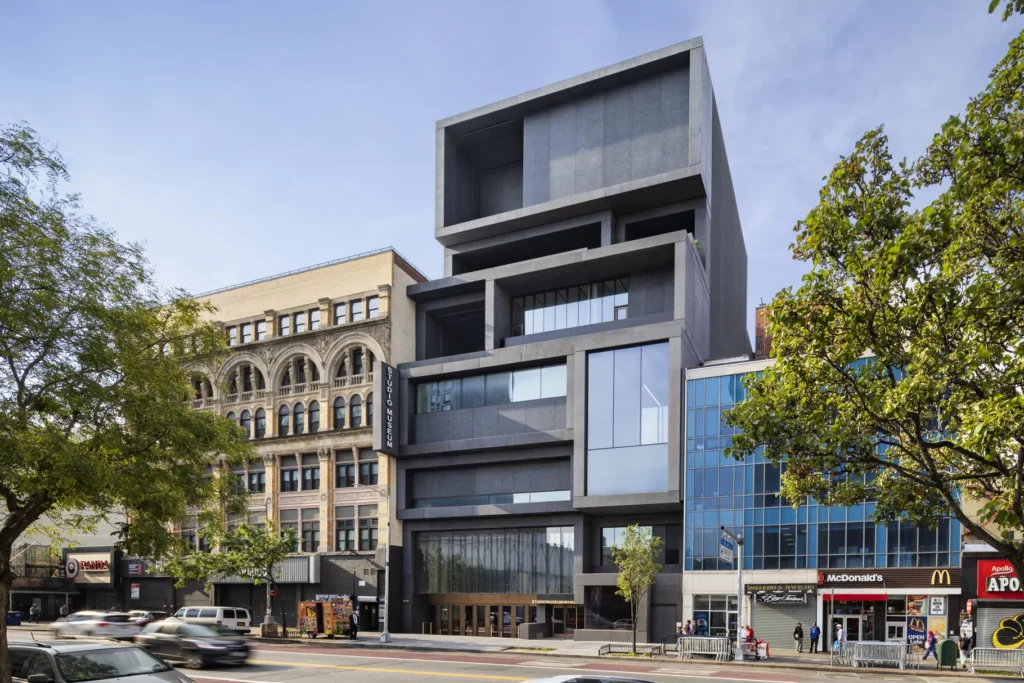
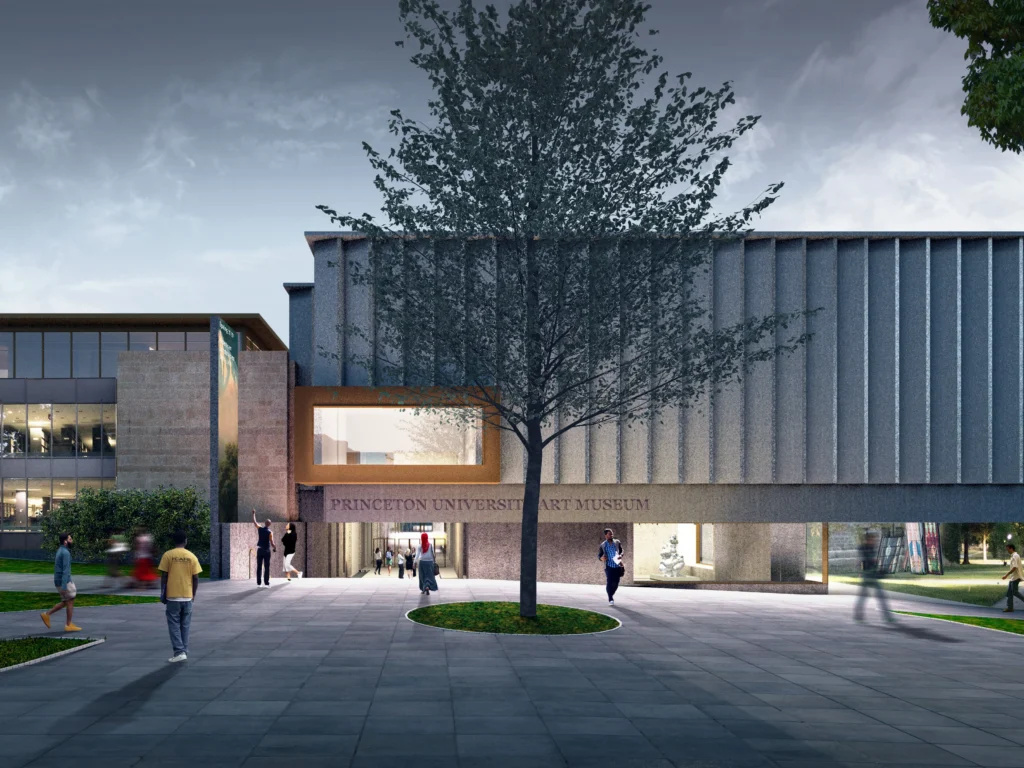
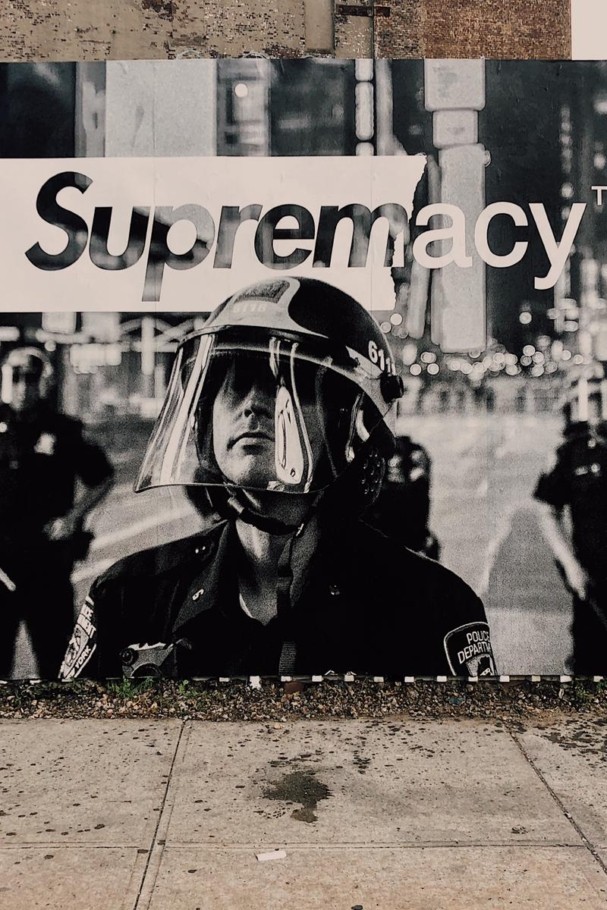
There are architects who design buildings, and then there are architects who shape how a civilization sees itself. Sir David Adjaye belongs firmly in the second category.
Born in 1966 in Dar es Salaam, Tanzania, to Ghanaian diplomat parents, Adjaye spent his formative years moving across the globe — Tanzania, Egypt, Lebanon, India, Yemen — before settling in London as a teenager. That itinerant upbringing became the DNA of his practice. Where other architects might draw from a single cultural well, Adjaye draws from everywhere: the ochre geometry of West African mud architecture, the monumental weight of ancient Egypt, the industrial vernacular of South London, the grid of American cities. The world, for him, has always been the source material.
He trained at the Royal College of Art in London and launched his firm, Adjaye Associates, in 2000. He was still in his thirties when the commissions that would define a generation started arriving.
Adjaye has spoken extensively about what drives the work, and it comes down to one consistent idea: architecture as cultural memory. In interviews and essays, he has described his practice as rooted in what he calls “reading the city” — not just the physical geography of a place but its social history, its silences, the populations it has uplifted or ignored. He doesn’t arrive at a site with a signature style looking for somewhere to land. He arrives as a student.
He has also been direct about the politics embedded in architecture. Discussing the Smithsonian National Museum of African American History and Culture, he noted that buildings on the National Mall have traditionally been white, neoclassical, European in reference — and that designing in a distinctly African visual language at that address was a conscious act of reclamation. Architecture, in his framing, is never neutral. It is always telling someone’s story. His ambition is to tell stories that haven’t been told in stone and steel before.
His use of light and material is another recurring theme in how critics and collaborators describe his work. He treats facades almost like skin — porous, culturally coded, responsive to climate and context. The latticework on the museum filters light into the building in ways that shift through the day, making the building feel alive. In his residential and smaller-scale work, that same sensitivity appears at a more intimate scale.
That sensitivity — to light, to culture, to the people a building is truly for — is what separates Adjaye from his peers. He doesn’t build for the moment. He builds for the memory. And in every facade, every threshold, every carefully considered material, you can feel exactly whose memory he has in mind.